
The Importance of Home Appliances in Modern Living
In today’s fast-paced world, home appliances have become indispensable tools that enhance our quality of life. From cooking to cleaning, these devices simplify tasks, allowing us more time to focus on what truly matters. The convenience and efficiency brought by home appliances has made them essential in every household. Understanding their significance and functionality is crucial for making informed purchasing decisions.
Defining Home Appliances
Home appliances are mechanical or electrical machines designed for specific tasks within the home. They can be divided into two main categories: major and small appliances. Major appliances include large items such as refrigerators, ovens, and washing machines, while small appliances cover devices like microwaves, toasters, and blenders. These appliances play a vital role in our daily routines, facilitating essential operations and enhancing our living experience.
The Role of Home Appliances in Daily Life
Home appliances impact various facets of our daily lives, from how we prepare food to how we manage household chores. They save time and effort, providing solutions to many time-consuming tasks. For instance, a dishwasher significantly reduces the time spent on washing dishes, while a smart refrigerator can monitor food inventories and suggest recipes based on available ingredients. The integration of technology into appliances also contributes to improved convenience and functionality, making our homes more efficient.
Common Types of Home Appliances
- Refrigerators: Essential for food storage and preservation.
- Ovens and Ranges: Used for cooking a variety of meals.
- Dishwashers: Designed to automate the cleaning of dishes.
- Washing Machines: Critical for maintaining laundry hygiene.
- Dryers: Efficiently dry clothes, complementing washing machines.
- Microwaves: Used for quick heating and cooking tasks.
Choosing the Right Home Appliances for Your Needs
Assessing Kitchen Space and Layout
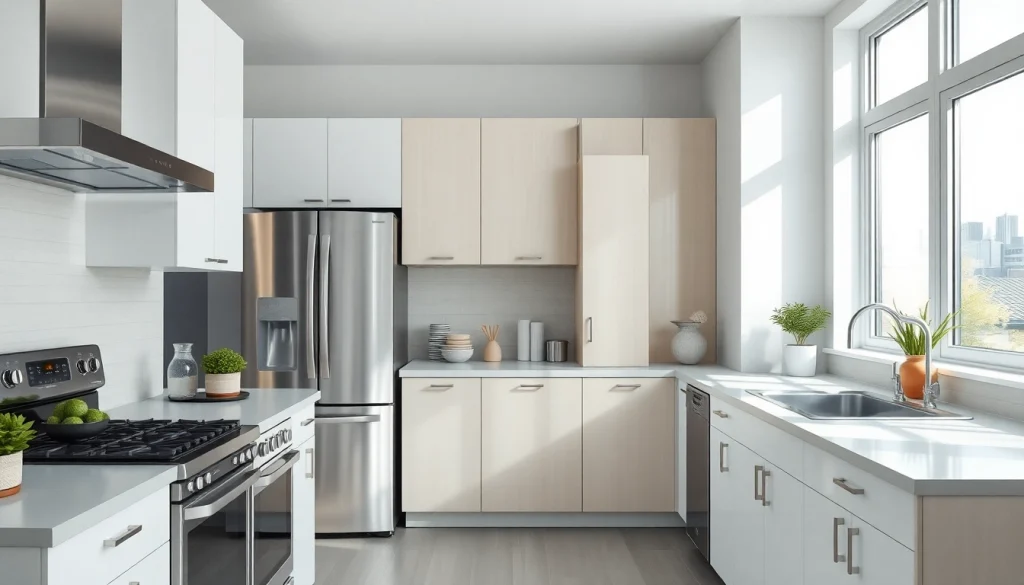
When selecting home appliances, it’s essential to start by assessing your kitchen space and layout. Understanding the dimensions of your kitchen will help you choose appliances that fit both functionally and aesthetically. Consider the overall design and workflow of your cooking space — the triangle concept, which includes the stove, sink, and refrigerator, could enhance efficiency when placed in close proximity. Taking measurements and visualizing appliance placement can prevent purchasing mistakes that could hinder your kitchen’s usability.
Energy Efficiency in Home Appliances
Energy efficiency is a key factor to consider when choosing home appliances. Not only do energy-efficient appliances reduce utility bills, but they also lessen environmental impact. Look for products with the ENERGY STAR label, which signifies compliance with energy efficiency guidelines established by the U.S. Environmental Protection Agency. Investing in energy-efficient options can lead to significant long-term savings while also contributing to sustainability goals.
Budgeting for Home Appliances
Budgeting is a crucial step in selecting home appliances. While it might be tempting to opt for the cheapest options available, it’s important to balance cost and quality. Consider long-term costs including energy usage, maintenance, and potential repairs. It can often be worth investing more initially for higher-quality appliances that offer better performance, longevity, and lower downtime for repairs and replacements. Create a detailed budget considering all these aspects to ensure a satisfactory purchase experience.
Popular Home Appliances: Features and Benefits
Smart Refrigerators and Their Innovations
Smart refrigerators represent an apex of technological advancement in home appliances. Equipped with features such as touchscreens, Wi-Fi connectivity, and internal cameras, these refrigerators allow homeowners to monitor food inventory, receive notifications when items are running low, and even create grocery lists directly. Energy efficiency, temperature regulation, and accessible, customizable compartments enhance their functionality. This type of appliance exemplifies the intersection of technology and practicality, making kitchen management easier and more efficient than ever before.
Versatile Cooking Ranges and Ovens
Modern cooking ranges and ovens come with numerous features tailored for convenience and culinary perfection. Features vary from convection cooking, self-cleaning functions, to precise temperature controls that ensure consistent cooking results. Newer induction cooktops provide safer and faster heating, reducing cooking times while increasing safety. Versatile appliances can handle a variety of cooking methods — baking, broiling, and grilling — making them indispensable for any home chef.
Efficient Laundry Appliances
Laundry appliances have evolved significantly, offering streamlined features that optimize the washing and drying experience. High-efficiency washers and dryers are designed to minimize water usage and energy consumption while improving cleaning results. Many newer models come with smart capabilities that allow homeowners to control settings remotely, receive alerts about cycles, and even diagnose errors. Their compact designs, available for small spaces, ensure that functionality does not come at the cost of space.
Maintenance and Care for Home Appliances
Cleaning Tips to Extend Appliance Life
Regular maintenance of home appliances is crucial for longevity and performance. For instance, cleaning the coils of refrigerators every six months can enhance efficiency and prevent excess energy consumption. Simple practices like descaling the dishwasher, vacuuming behind the dryer, and not overloading washers can also contribute to the overall health of these appliances. Following a maintenance checklist for each type can prolong their lifespan and save on extensive repairs.
Signs Your Home Appliances Need Repairs
Being vigilant about signs of malfunction can save you from costly repairs later. Common indicators include unusual sounds, leaks, inconsistent temperatures, and error codes on digital displays. If your appliance is not performing as expected, it’s best to address the issue promptly to avoid further damage. Regular inspections can help identify potential problems early on, ensuring that appliances remain in good working condition.
Professional vs. DIY Maintenance
Deciding between professional and DIY maintenance depends on both the complexity of the issue and your level of comfort with repairs. For minor tasks such as cleaning filters or changing light bulbs, DIY can save money and time. However, for more complicated repairs, such as electrical failures or major parts replacement, hiring a professional is advisable. Assessing the warranty and appliance age can also influence the decision, as some warranties require professional service for certain repairs.
The Future of Home Appliances: Trends to Watch
Emerging Technologies in Home Appliances
The future of home appliances is anchored in technological advancements that promise to increase efficiency and connectivity. Features like artificial intelligence and machine learning are becoming more common, enabling appliances to learn user preferences and optimize performance accordingly. Voice assistant integration is also on the rise, allowing users to control appliances through voice commands, enhancing convenience and accessibility.
Sustainability in Modern Home Appliances
As environmental awareness grows, the demand for sustainable home appliances has surged. Modern appliances are being designed with eco-friendly materials and energy-saving technologies to minimize carbon footprints. Features like water conservation settings, energy-efficient motors, and recyclable components are becoming standard. Manufacturers are increasingly focusing on creating appliances that are not only reliable but also environmentally responsible.
Consumer Preferences Shaping Appliance Design
Consumer preferences continue to influence the design and functionality of home appliances significantly. Today’s consumers prioritize aesthetics, ease of use, and multi-functionality. Trends toward minimalist designs that blend seamlessly with home interiors are emerging, as are color and finish varieties that match diverse décor styles. Consumers are looking for appliances that not only perform well but also enhance the visual appeal of their homes.
FAQs
What are the essential home appliances for a kitchen?
Essential home appliances include a refrigerator, stove, oven, and dishwasher, which facilitate food storage, preparation, and cleanup.
How do I choose energy-efficient home appliances?
Look for appliances with the ENERGY STAR label, as they meet strict efficiency guidelines and can save you money on energy bills.
What is the average lifespan of home appliances?
Most home appliances last between 10 to 15 years, but proper maintenance can extend their life significantly.
How can I maintain my home appliances?
Regularly clean, use the appliances as intended, and schedule professional maintenance to keep them in good working condition.
Are smart home appliances worth the investment?
Smart home appliances offer convenience, energy savings, and improved functionality, making them a worthwhile investment for many homeowners.