Understanding Fly Fishing Combos
What Is a Fly Fishing Combo?
A fly fishing combo is an integrated set designed for fly fishing enthusiasts, consisting of a rod, reel, fly line, and backing. These combos simplify the process of starting out in fly fishing, as they include all the essential components in one package. Essentially, they are built to ensure compatibility and functionality, making them particularly appealing to beginners and seasoned anglers alike. For those looking to streamline their fishing experience, a well-rounded Fly fishing combo serves as an excellent choice.
Components of a Fly Fishing Combo
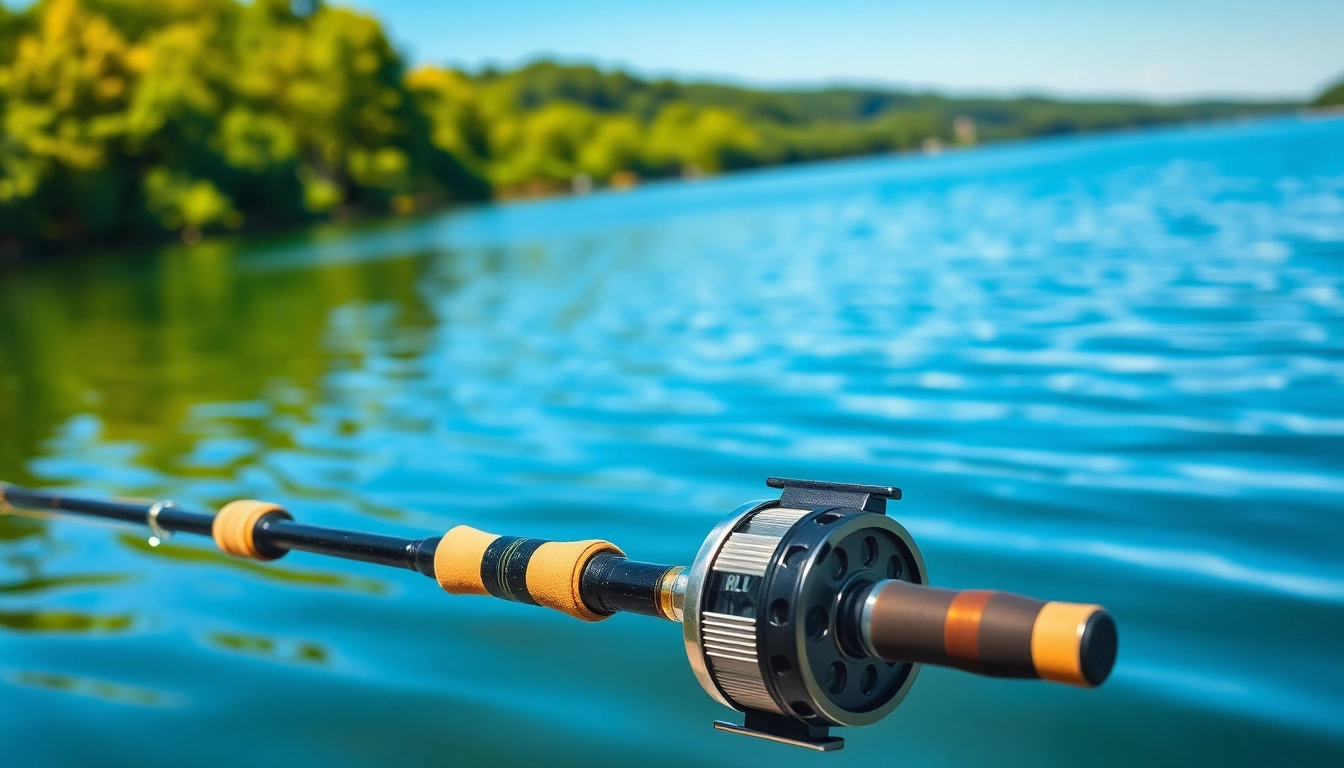
A typical fly fishing combo includes several key components: the fly rod, fly reel, fly line, backing line, and leader line. Each of these elements plays a vital role:
- Fly Rod: Designed to cast a fly and determine casting style and distance.
- Fly Reel: Holds the fly line and assists in catching and landing fish.
- Fly Line: Transfers energy from the rod to the fly, critical for casting accuracy.
- Backing Line: Provides additional line capacity beyond the fly line, especially beneficial in catching larger fish.
- Leader Line: Connects the fly to the fly line and helps in achieving a natural presentation.
Why a Combo Is Essential for Beginners
For newcomers to the sport, a fly fishing combo is essential as it eliminates the guesswork involved in selecting individual pieces of gear. With a combo, all components are properly matched, which can significantly enhance the learning experience. Additionally, they can help beginners avoid common mistakes, like mismatched line weights, which can lead to frustration while fishing.
Selecting the Best Fly Fishing Combo for Your Needs
Factors to Consider When Choosing
When selecting a fly fishing combo, there are several critical factors to consider:
- Skill Level: Beginners typically benefit from easier-to-use equipment, while advanced anglers may prioritize performance features.
- Target Species: Different fish species may require specific rod actions or line weights.
- Water Type: Freshwater versus saltwater fishing can significantly affect equipment choice.
- Budget: Establish a budget before shopping, as being mindful of price helps narrow down choices effectively.
Matching Combos to Fishing Styles
Fly fishing can be broadly categorized into several styles, including dry fly fishing, nymphing, and streamer fishing. Each style demands distinct characteristics from fishing equipment. For example, dry fly fishing relies on lighter, flexible rods, while nymphing often requires a stiffer rod for better sensitivity. Understanding these subtle differences is crucial for selecting a fly fishing combo that best suits your fishing style.
Understanding Weight Ratings
Weight ratings play a significant role in performance. A rod’s weight rating, typically indicated on the rod itself, corresponds to the fly line's weight that should be used with it. For example, a 5-weight rod is best paired with a 5-weight line. Choosing a weight that aligns with your target species and fishing conditions will enhance casting ability and strike detection.
Top Features of Quality Fly Fishing Combos
Materials and Durability
Quality fly fishing combos are often made from high-grade materials like graphite or fiberglass. Graphite rods are favored for their lightweight and sensitivity properties, while fiberglass offers increased durability. Understanding the material can help you choose a combo that can withstand various fishing conditions.
Weight and Action in Fly Fishing Combos
The action of a rod refers to how much it bends when pressure is applied. This characteristic affects casting distance and accuracy. Fast action rods bend mostly at the tip, while slow action rods provide a deeper bend. Choosing the right action enhances your casting performance, allowing for better control and precision.
Reel Quality and Line Type
The quality of a reel can often dictate your success on the water. Look for reels that have sealed drag systems to prevent corrosion and wear. Selecting the right type of fly line (floating, sinking, or intermediate) will also significantly impact your fishing experience, as each type serves particular styles and conditions.
Affordable Fly Fishing Combo Options
Best Budget-Friendly Combos
Just because you’re working with a tight budget doesn’t mean you should compromise quality. Some excellent budget-friendly combos deliver respectable performance without breaking the bank. Look for combos that have strong customer reviews, ensuring you get value for your money while entering the sport of fly fishing.
Where to Find Discounts
When seeking affordable fly fishing combos, consider shopping during off-seasons or sale events. Online retailers often provide promotions, especially if you subscribe to their newsletters. Additionally, checking online forums or social media groups can lead to exclusive discounts or second-hand buying options that are reliable.
Building Your Own Combo: Is It Worth It?
While buying a pre-packaged fly fishing combo is convenient, some anglers prefer to build their own setups for specific needs. Custom combos allow for tailored choice in rod action, reel size, and line type. This can be ideal for more experienced anglers who know exactly what they need. However, consider that building your own combo typically requires more research and may be costlier in total.
Maintenance Tips for Your Fly Fishing Combo
Cleaning and Storing Your Gear
Proper maintenance extends the life of your fishing gear. After each outing, rinse your rod and reel with fresh water to remove debris or salt, which can lead to corrosion over time. Store your rod in a protective tube to prevent damage, and ensure your reel is kept clean in a cool, dry place.
Routine Inspections for Longevity
Inspect your gear regularly for wear and tear. Check for any nicks or cracks in your rod and ensure that your reel is functioning smoothly. Early detection of any issues can prevent potentially costly repairs down the line.
Preparing Your Combo for Different Conditions
Before heading out, prepare your combo based on the conditions you might face. Consider adjusting line types and weights depending on factors such as water temperature and fish behavior. Proper preparation ensures that you are ready to adapt to any fishing situation that presents itself.
Frequently Asked Questions
1. What is the best fly rod length for beginners?
A 9-foot rod is generally recommended for beginners as it offers versatility across various fishing types and environments, making it easy to learn with.
2. Can I use a fly fishing combo for saltwater fishing?
Yes, but ensure that your combo is specifically designed for saltwater use, as it is constructed with materials resistant to corrosion from salt.
3. How do I know what weight rod to use?
The weight of the rod should correspond with the weight of the fly line you plan to use. A mismatched weight can hinder your casting performance.
4. How often should I clean my fly fishing gear?
After every fishing trip, it’s advisable to clean your gear to remove dirt, salt, and debris, extending its lifespan significantly.
5. What is the difference between a fast and slow action rod?
Fast action rods bend at the tip and offer quicker response times, while slow action rods provide greater bend through the lower section, improving casting accuracy with delicate flies.