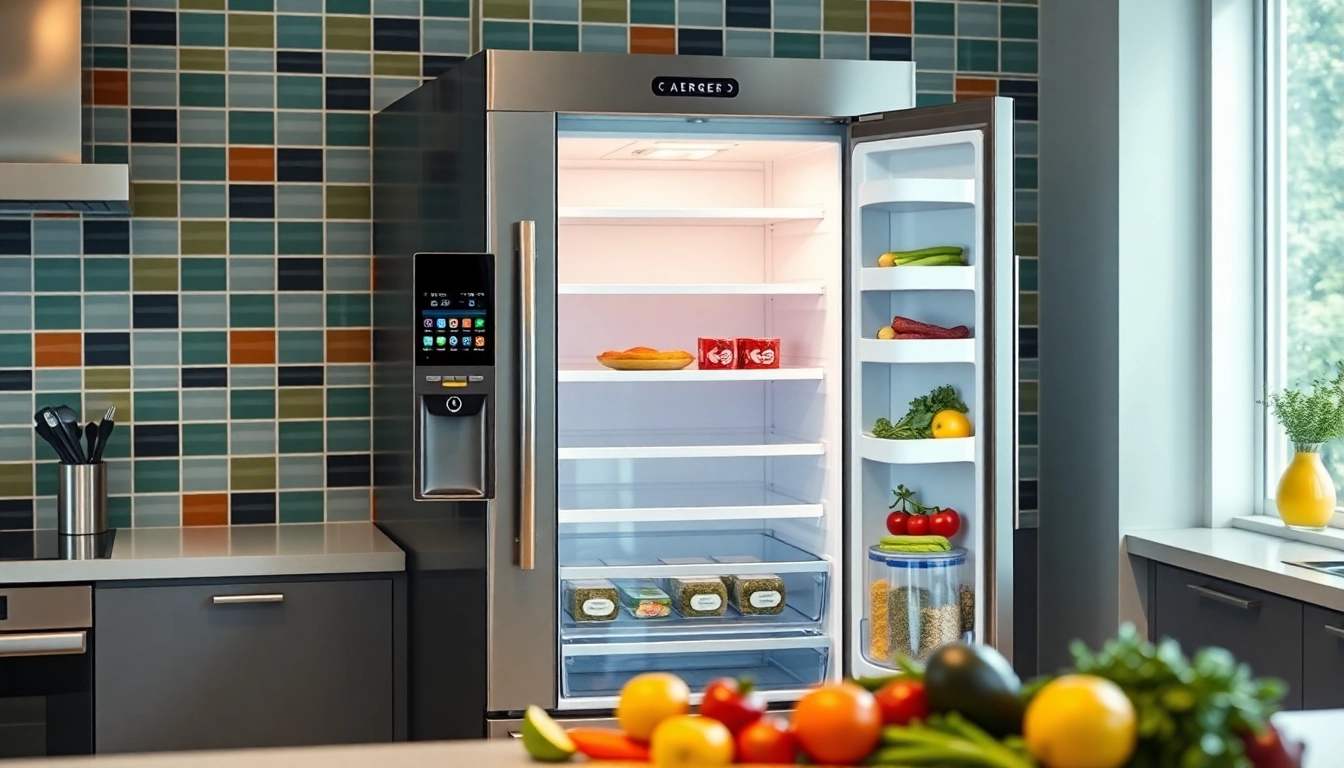
Understanding the Basics of Refrigerator Types
Choosing the right refrigerator can be challenging with the variety of options available on the market. Understanding the key types of refrigerators can lead to a better decision that fits your lifestyle and kitchen needs. From top-freezer models to French doors, each type serves unique functions and caters to different preferences.
1. Top-Freezer Refrigerators
Top-freezer refrigerators have been a classic choice for many households for decades. As the name suggests, the freezer compartment is located on top, while fresh food storage is at the bottom. This design is generally cost-effective and provides ample space for various food items. One of the advantages of top-freezer refrigerators is their simplicity in terms of design and functionality, often making them easier to maintain. Additionally, they usually feature more space for fresh food than some other types of refrigerators, making them ideal for families or individuals who buy groceries in bulk.
2. Bottom Freezer Refrigerators
A bottom freezer refrigerator offers a modern twist on the traditional design by placing the freezer compartment at the bottom. This placement enhances convenience as users frequently access fresh food more than frozen items. The layout makes it easier to see what’s in the fridge without bending down, which can be a crucial factor for many people. Many bottom freezer models come with additional features like pull-out drawers, which help organize frozen foods more effectively. This type of refrigerator often emphasizes energy efficiency and design aesthetics, making them popular in contemporary kitchens.
3. Side-by-Side Refrigerators
Side-by-side refrigerators have two vertical compartments; one for fresh food and the other for frozen foods. This design allows easy access to both sections and is suitable for narrow kitchen spaces. Side-by-side models often include additional features such as water/ice dispensers, which provide convenience, especially in warmer climates or for families with children. The flexible layout of these refrigerators enables optimal organization while allowing for easy access to commonly used items.
Essential Features to Look For in a Refrigerator
When searching for the ideal refrigerator, several essential features should be considered to ensure that the appliance meets both functional and aesthetic preferences. Here’s a breakdown of the most important features to keep in mind.
1. Energy Efficiency Ratings
With rising energy costs and a growing concern for environmental sustainability, energy efficiency should be a top priority when selecting a refrigerator. Look for the refrigerator that bears the ENERGY STAR label, which indicates it meets specific energy efficiency criteria. These models consume less energy than conventional refrigerators, often leading to lower utility bills. Additionally, these refrigerators typically emit fewer greenhouse gases, contributing positively to the environment.
2. Smart Technology
The integration of smart technology has revolutionized the appliance industry, including refrigerators. Many modern refrigerators now come equipped with Wi-Fi connectivity, allowing users to control settings, monitor food inventory, and receive maintenance alerts through their smartphones. Smart refrigerators may even include features such as touch screens, voice assistants, and integration with home automation systems, further enhancing convenience and user experience.
3. Size and Capacity Considerations
Before purchasing a refrigerator, it’s crucial to consider both the physical size of the unit and its internal capacity. Measure your kitchen space to ensure the refrigerator fits without obstructing movement or functionality. Additionally, assess your food storage needs. A larger family may require a refrigerator with more cubic feet of storage, while individuals or couples might benefit from compact models that take up less space and energy. It’s essential to find a balance between size and capacity to maximize usability.
Choosing the Right Refrigerator for Your Kitchen
Selecting the perfect refrigerator involves several considerations beyond just style. Following these steps can help guide you to the right choice.
1. Assessing Kitchen Space
Begin by evaluating the available space in your kitchen. Consider factors like clearance around the unit for doors and ventilation. Common dimensions to measure include height, width, and depth. Consider if you need a built-in unit that integrates seamlessly with cabinetry or if a freestanding model is suitable for your layout. Ensuring that you have the proper measurements can prevent headaches later on.
2. Matching Style and Design
Your refrigerator should complement your kitchen's overall style. Whether your kitchen is contemporary, rustic, or traditional, there are various finishes and designs available. Stainless steel remains popular for its sleek, modern appearance, while white or black options may suit more classic designs. Choose a color palette that aligns with your kitchen's aesthetics to create a harmonious look.
3. Budgeting for Your Purchase
Set a budget before you begin shopping to ensure realistic expectations. Prices can vary significantly based on features, energy efficiency, brand reputation, and design. Understanding your budget will help narrow your options and guide you towards models that offer the best value for your money. Consider not just the initial purchase cost but also long-term energy savings when evaluating options.
Maintenance Tips for Longevity of Your Refrigerator
Proper maintenance can considerably prolong the lifespan of your refrigerator, ensuring it remains efficient and functional. Below are some essential maintenance tips to keep in mind.
1. Cleaning and Upkeep
Regular cleaning is vital to maintaining your refrigerator's efficiency. Dust and debris can accumulate on the coils, impacting performance. Clean coils every six months using a vacuum or a brush to remove this buildup. Inside the refrigerator, promptly wipe up spills to prevent odors and bacteria. Additionally, check expiration dates on food items frequently and organize them to maximize space and accessibility.
2. Common Troubleshooting Steps
Understanding common refrigerator issues can help you address problems before they escalate. For instance, if your refrigerator isn't cooling properly, check the temperature settings or examine the door seals for leaks. Ensure that the refrigerator has adequate ventilation and that the vents aren't blocked. These simple checks can often resolve issues without needing professional assistance.
3. When to Call a Professional
Recognizing when to seek professional help is key to avoiding more significant issues. If you notice persistent problems that troubleshooting cannot resolve, such as unusual noises, frequent cycling, or leaks, it may be time to call a technician. Additionally, if the refrigerator's age surpasses ten years, consider consulting a professional about both repairs and potential replacement to ensure continued efficiency and safety.
FAQs About Refrigerators
1. What is the average lifespan of a refrigerator?
Most refrigerators last between 10 to 20 years, depending on the model and maintenance. Proper care can extend their lifespan significantly.
2. How do you clean refrigerator coils?
Unplug the fridge, then use a brush or vacuum to remove dust from coils located at the back or beneath the unit for optimal efficiency.
3. What temperature should a refrigerator be set at?
Refrigerators should be set between 35°F to 38°F for optimal food preservation and to prevent spoilage.
4. How often should a refrigerator be defrosted?
Manual defrost refrigerators need defrosting when ice build-up exceeds 1/4 inch in thickness to maintain efficiency and performance.
5. Can a refrigerator be repaired instead of replaced?
Many issues can be repaired economically, but it largely depends on the age of the unit and the extent of the damage or malfunction.