Introduction to Holiday Camps
As parents, we constantly seek opportunities that help our children explore new horizons while having fun. One such opportunity is Holiday camps. These camps serve as a fantastic platform for children to learn new skills, make friends, and engage in a myriad of activities outside their regular school environment. This comprehensive guide will explore the various aspects of holiday camps, the benefits they offer, and practical tips for selecting the right camp for your child.
What are Holiday Camps?
Holiday camps are structured programs designed for children to engage in recreational, educational, and social activities during school breaks, be it summer, winter holidays, or spring breaks. These camps can be day camps, where children return home every night, or residential camps, where they stay overnight for a specified duration. Typically geared towards children aged between 4 and 17, holiday camps are designed to provide enriching experiences that promote personal development and social skills.
Benefits of Attending Holiday Camps
Holiday camps deliver an array of benefits, fostering emotional, physical, and social well-being in children. Here are some key advantages:
- Social Skills Development: Camps provide a social environment encouraging interaction, teamwork, and conflict resolution.
- Skill Acquisition: Various activities like arts, sports, and crafts allow children to acquire new skills that can be beneficial for their growth.
- Independence: Being away from home helps children develop confidence and independence in handling responsibilities.
- Physical Fitness: Camps often include physical activities that contribute to overall fitness and well-being.
- Fun and Creativity: With a plethora of engaging activities, camps cultivate creativity and a sense of adventure.
Types of Holiday Camps Available
Understanding the different types of holiday camps can guide parents in selecting an option that aligns with their child’s interests:
- Sports Camps: Focused on specific sports, these camps develop skills, teamwork, and sportsmanship.
- Arts Camps: Featuring activities like music, dance, and drama, these camps enrich creative talents.
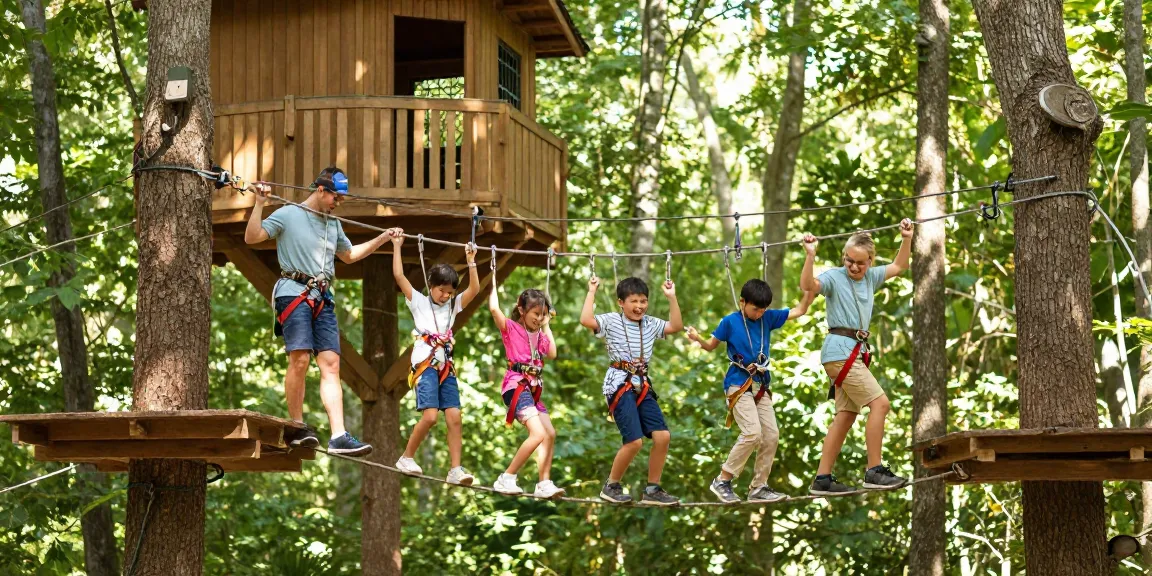
- Adventure Camps: These camps offer outdoor activities such as hiking, rock climbing, or nature exploration.
- Educational Camps: Aimed at learning, they may cover subjects like science, technology, or languages.
- Specialty Camps: These camps cater to unique interests, such as coding, robotics, or culinary arts.
Activities Offered at Holiday Camps
Activities at holiday camps vary significantly based on the camp's focus and philosophy. Here’s a closer look at some of the most popular activities:
Adventure and Outdoor Activities
Adventure camps place a strong emphasis on physical activities that foster teamwork and resilience. Common activities include:
- Hiking: Encourages exploration and appreciation for nature.
- Canoeing: Develops coordination and teamwork skills.
- Zip-Lining and Ropes Courses: Builds confidence and courage.
- Camping: Teaches survival skills and enhances outdoor living abilities.
Arts and Craft Workshops
Arts camps focus on fostering creativity through various mediums. Children enjoy:
- Painting and Drawing: Enhances fine motor skills and self-expression.
- Performing Arts: Includes drama, dance, and music, offering performance experiences.
- Crafting: Children engage in hands-on activities such as pottery or woodworking.
Sports and Team-Building Exercises
Sports camps combine physical exercise with skill development. Participants partake in:
- Team Sports: Such as basketball, soccer, and volleyball to promote teamwork.
- Individual Sports: Like swimming and gymnastics, offering personal growth and challenge.
- Fitness Sessions: Focusing on overall physical wellness through various exercises.
Choosing the Right Holiday Camps
Selecting the appropriate holiday camp requires careful consideration to match your child's needs and interests. Here are some vital factors to assess:
Factors to Consider Before Enrolling
Before finalizing a camp choice, evaluate the following:
- Program Focus: Ensure the camp's activities align with your child’s interests.
- Location: Consider proximity for convenience, especially for day camps.
- Duration: Assess how long your child will be comfortable participating.
- Instructor Qualifications: Research the camp's staff to ensure adequate training and background checks are in place.
Reading Reviews and Testimonials
Peer reviews, testimonials, and online ratings can provide valuable insights into the camp's reputation. Look for:
- Parent Testimonials: Feedback from other parents about their children’s experiences.
- Staff Interaction: Comments on the nurturing capabilities of the camp staff.
- Experience Variety: Ensure past campers had diverse and enriching experiences.
Visiting the Camp Before Enrollment
If possible, visit potential camps to experience the environment firsthand. A visit allows you to:
- Observe Activities: Get a feel for the activities and the overall vibe of the camp.
- Meet Staff: Interact with the camp leaders and inquire about their methodologies.
- Assess Facilities: Ensure the facilities are safe and conducive to a fun learning experience.
Preparing Your Child for Holiday Camps
Once you select a camp, preparing your child is essential for enhancing their experience. Here are some ways to help them get ready:
What to Pack for Holiday Camps
Packing appropriately is crucial for your child's comfort and enjoyment:
- Essential Clothing: Weather-appropriate attire, including swimwear for aquatic activities.
- Personal items: Include toiletries, sunscreen, and any required medications.
- Comfort Items: A favorite blanket or stuffed toy may provide reassurance.
Setting Expectations with Your Child
Communicating openly about what to expect will help ease any fears:
- Camp Activities: Discuss the activities they'll participate in to build excitement.
- Daily Schedule: Explain the daily routine to provide them with a sense of security.
- Making Friends: Encourage them to interact with peers and be open to making new friends.
Encouraging Social Interaction
Help your child prepare for social situations:
- Role-Playing: Engage in role-playing scenarios to practice conversations and interactions.
- Encouragement: Instill a positive attitude toward meeting new people and trying new things.
- Discussion: Talk about the benefits of teamwork and friendship.
Frequently Asked Questions about Holiday Camps
How do I find nearby holiday camps?
You can find nearby holiday camps by searching online directories, community boards, and local parenting groups for recommendations on available camps in your region.
What age groups are holiday camps suitable for?
Holiday camps typically cater to children aged 4 to 17, with various programs designed to meet the specific developmental needs of different age groups.
Are meals provided at holiday camps?
Many holiday camps provide meals, but it's essential to check specific camp policies as some may require parents to pack snacks and lunches for their children.
What safety measures are in place at holiday camps?
Safety measures may include staff training in first aid, secure facilities, background checks on staff, and protocols for emergency situations to ensure the well-being of all campers.
Can parents visit holiday camps during the session?
Most camps have specific visitation policies. It's best to check with the camp directly about visiting times and any special event days that allow parent observation.