Understanding Bathroom Remodeling Essentials
What is Bathroom Remodeling?
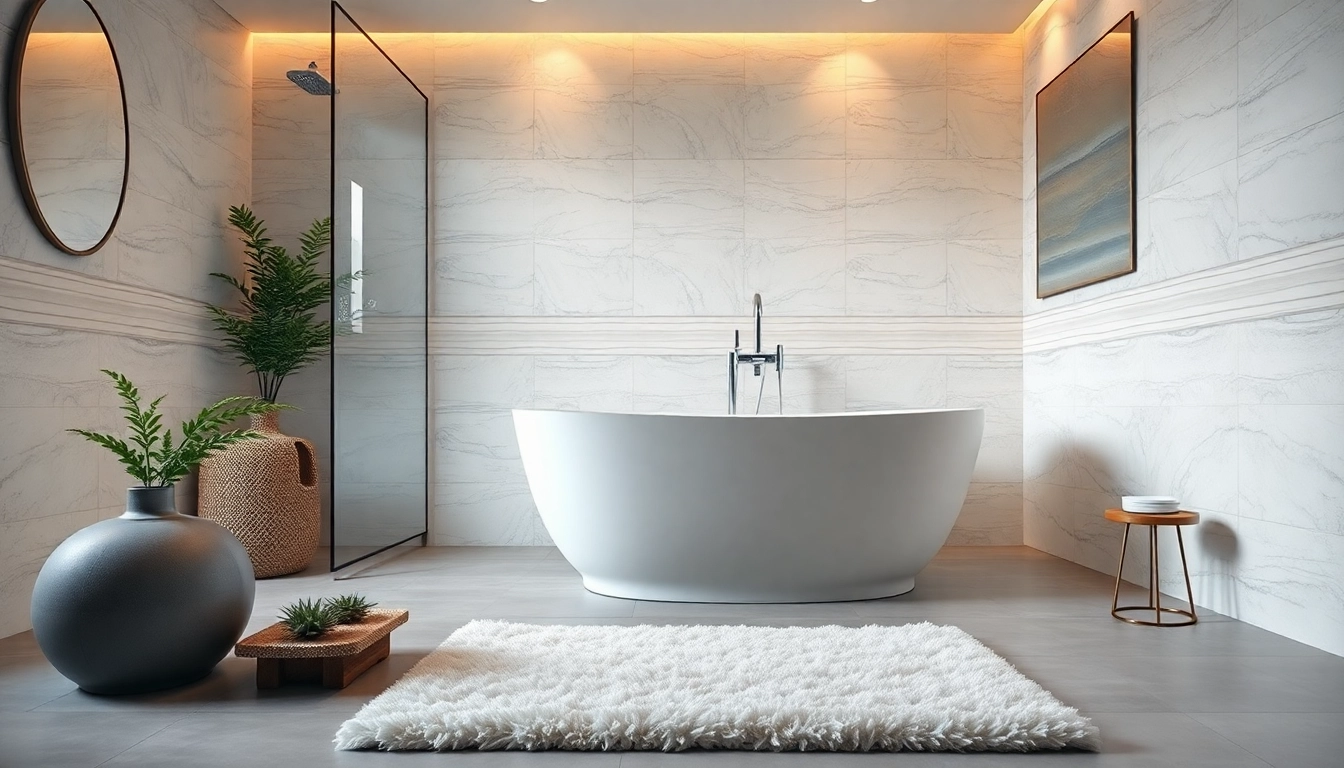
Bathroom remodeling refers to the process of updating, renovating, or enhancing the bathroom space to improve its functionality, aesthetics, and comfort. This can involve anything from minor adjustments, like replacing fixtures, to significant transformations that reconfigure the entire layout and design. The goal is to create a space that meets the homeowner's needs while reflecting their style preferences and increasing the home’s value. With the ongoing trends in interior design and the growing importance of sustainable living, bathroom remodeling offers a unique opportunity to tailor the space to modern living standards.
Key Considerations Before Starting
Before embarking on a bathroom remodeling project, several essential factors must be considered:
- Space and Layout: Consider the existing layout and whether it meets current needs. Space optimization can dramatically affect usability.
- Plumbing and Electrical Systems: Assess the existing plumbing and electrical setups to determine if upgrades or adjustments are necessary.
- Regulations and Permits: Check local building codes and obtain necessary permits to avoid legal issues during construction.
- Style Preferences: Define a clear vision for the desired style and ambiance, directing choices in fixtures, colors, and materials.
Planning Your Bathroom Remodeling Project
Effective planning is crucial for a successful bathroom remodeling project. Start with creating a detailed project plan that includes timelines, budgets, and a list of tasks. In this stage, consider the following:
- Timeline: Develop a realistic timeline, accounting for materials shipping, contractor availability, and potential delays.
- Budget: Outline a comprehensive budget, keeping a contingency fund for unexpected costs.
- Design Tools: Utilize design software to visualize the new bathroom layout and design.
Choosing the Right Design Style
Popular Trends in Bathroom Remodeling
Bathroom design trends are constantly evolving, and staying updated can significantly influence the final outcome of your project. Current trends include:
- Minimalism: Simple, uncluttered spaces with neutral palettes and functional design elements.
- Vintage and Retro Styles: Incorporating vintage fixtures and colors that add warmth and character.
- Sustainable Options: Eco-friendly materials and fixtures designed to minimize water usage and environmental impact.
- Smart Technology: Integration of smart showers, mirrors, and lighting for enhanced functionality.
How to Combine Functionality with Aesthetics
Creating a beautiful bathroom while ensuring it is functional requires a balanced approach. Here are practical steps to blend both:
- Storage Solutions: Implement built-in storage options that maintain a clean look while providing necessary space for toiletries and linens.
- Lighting Design: Use layered lighting to enhance ambiance while providing adequate illumination for tasks.
- Ergonomic Fixtures: Choose fixtures that are not only visually appealing but enhance usability for daily routines.
Personalizing Your Bathroom Space
To make your bathroom truly yours, consider these personalization ideas:
- Custom Vanities: Select or design a vanity that reflects your taste and fits the bathroom's dimensions.
- Accent Walls: Use unique wallpaper or tiles to create a focal point that adds character.
- Art and Accessories: Incorporate personal artwork or decor that makes the space feel inviting and reflective of your lifestyle.
Budgeting for Your Bathroom Remodeling
Estimating Costs Effectively
Budgeting is one of the most crucial aspects of any bathroom remodeling project. Effective cost estimation involves considering:
- Materials: Research various materials and their costs, as high-end finishes can significantly drive up expenses.
- Labor: Calculate labor costs based on local rates for electricians, plumbers, and contractors.
- Unexpected Expenses: Set aside 10-15% of your total budget for unexpected costs that may arise during renovations.
Strategies for Staying Within Budget
To keep your project on track financially, implement the following strategies:
- Prioritize Needs vs. Wants: Determine what is essential versus what would simply be nice to have.
- Shop Sales: Take advantage of seasonal sales and discounts on materials and fixtures.
- Consider DIY: Engage in DIY for smaller projects or tasks, such as painting or decorating, to reduce labor costs.
Financing Options for Homeowners
Many homeowners find it helpful to explore financing options. Common avenues include:
- Home Equity Loans: Leverage existing equity for a loan to finance your remodeling project.
- Personal Loans: Consider personal loans that can cover smaller remodeling projects.
- Credit Lines: Home improvement lines of credit can be beneficial for ongoing projects, allowing for flexibility in repayments.
Finding Reliable Contractors for Bathroom Remodeling
How to Vet Potential Contractors
Selecting the right contractor can significantly influence the remodeling experience. Here’s how to vet candidates:
- Check Licenses and Insurance: Ensure that all contractors hold the necessary licenses and insurance, protecting you from liability.
- Reference Checks: Ask for and follow up on references from previous clients.
- Portfolio Review: Study completed projects to evaluate their work quality and style alignment.
Questions to Ask Before Hiring
When interviewing potential contractors, ask these essential questions:
- What is your estimated timeline for completion?
- Can you provide a detailed written estimate?
- What measures do you take to ensure a clean work environment?
Ensuring Quality Workmanship
Once you’ve selected your contractor, ensuring they deliver quality workmanship is vital. Steps include:
- Regular Check-Ins: Schedule regular site visits to discuss progress and address concerns.
- Final Walkthrough: Perform a detailed walkthrough upon completion to ensure satisfaction before final payment.
- Warranties and Guarantees: Review provided warranties for workmanship and materials for added peace of mind.
Maintenance and Upgrades After Remodeling
Long-Term Care for Your New Bathroom
After the remodel, maintaining your new bathroom is essential to prolong its lifespan. Here’s how:
- Regular Cleaning: Establish a regular cleaning schedule to prevent mold and mildew buildup.
- Check for Leaks: Periodically inspect plumbing fixtures for leaks to catch issues early.
- Update Grout and Caulk: Routinely replace old caulk and grout to prevent water damage and maintain aesthetics.
Signs It's Time for Another Remodel
Recognizing when it’s time for another remodel can save you hassle and cost in the long run. Key indicators include:
- Outdated Features: If fixtures, tiles, or finishes look old, it may be time for an update.
- Poor Functionality: If the bathroom layout no longer suits your needs, consider a remodel.
- Water Damage: Persistent water damage or leaks can necessitate a complete overhaul.
Upgrading Fixtures and Accessories
Investing in modern fixtures and accessories can enhance both function and style in your bathroom. Consider:
- Smart Showers: Upgrade to smart technology that allows for customized settings.
- Energy-Efficient Lighting: Replace old lighting with energy-efficient options, reducing bills and improving ambience.
- High-Efficiency Toilets: Installing water-efficient toilets to lower water usage without sacrificing performance.
FAQs About Bathroom Remodeling
1. How long does a bathroom remodel usually take?
The duration of a bathroom remodel typically ranges from 3 to 6 weeks, depending on the project's complexity and scope.
2. What is the average cost of a bathroom remodel?
The average bathroom remodel can cost anywhere from $10,000 to $30,000, influenced by design, materials, and labor.
3. Do I need permits for a bathroom remodel?
Permits are often required for plumbing or electrical work. Always check local regulations to ensure compliance.
4. Can I remodel my bathroom on a budget?
Yes, focusing on cosmetic updates, DIY projects, and sourcing materials on sale can significantly reduce costs.
5. What are the latest trends in bathroom design?
Current trends include smart technology, eco-friendly materials, and vintage aesthetics, combining style with sustainability.