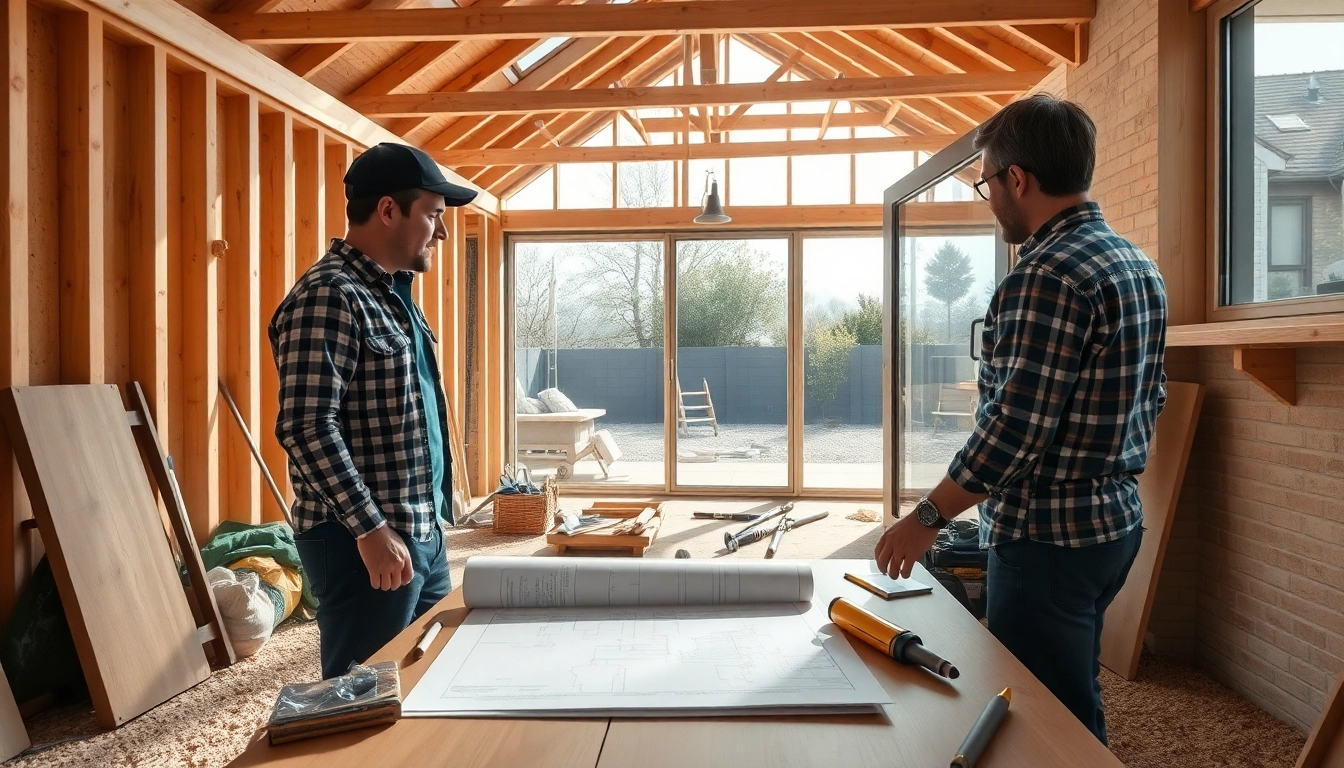
Why Consider House Extension Construction?
As the dynamics of family life change and the demand for space increases, homeowners often seek innovative solutions to enhance their living environments. One of the most effective ways to achieve this is through house extension construction. Not only does it provide additional space, but it also offers a chance to boost the aesthetic appeal and value of your home. Let's delve deeper into the compelling reasons for considering a house extension.
1. Enhancing Living Space
With a growing family, the need for more living space often becomes paramount. House extensions allow you to create additional rooms without the hassle and expense of relocating. This can mean transforming an attic into a bedroom, expanding your kitchen, or adding a dedicated home office. The flexibility to design spaces tailored to your family's lifestyle is one of the most significant advantages.
2. Increasing Property Value
Investing in a house extension can significantly enhance your property's market value. Homes with well-executed extensions tend to attract more buyers, especially in competitive real estate markets. Furthermore, if you have plans to sell in the future, a thoughtfully designed extension can provide a considerable return on investment.
3. Customizing to Fit Your Lifestyle
A house extension offers the unique opportunity to customize your home according to your specific preferences and lifestyle needs. Whether it’s integrating open-plan living areas for modern family interactions, creating a state-of-the-art kitchen, or designing a tranquil outdoor space, the possibilities are virtually limitless. Personalizing your living space ensures it reflects your unique identity and comforts, enhancing your overall quality of life.
Planning Your House Extension
Careful planning is essential for any successful house extension project. This involves not only determining the design and layout but also understanding the logistical and regulatory aspects of construction.
1. Defining Your Needs and Goals
Before moving forward, it’s crucial to define what you want to achieve with your house extension. Are you looking for more storage, a new bedroom, or an expansive living area? Consider how your family’s needs may evolve in the coming years. This foresight will help guide design decisions and ensure your extension remains practical over time.
2. Budgeting for Your Project
Establishing a clear budget is vital to avoid unexpected costs down the line. Engage with your builder to outline comprehensive cost estimates, including materials, labor, and any additional features you may desire. A detailed budget can help prioritize key elements of the extension while allowing for necessary adjustments as the project unfolds.
3. Understanding Local Regulations and Permits
Every area has specific building regulations, so it’s essential to familiarize yourself with local laws governing renovations and extensions. Obtaining the necessary permits can be a lengthy process, and it’s best to start early to avoid construction delays. Consult with a reliable builder who can assist with acquiring permits and ensuring compliance with all regulations.
The House Extension Construction Process
The construction process for a house extension generally involves several critical phases, each requiring careful execution to ensure quality and safety.
1. Initial Consultation and Design Development
Your journey begins with an initial consultation with your chosen builder. This stage involves discussing your vision and expectations, followed by the development of design plans. It’s essential to ensure that your ideas can be feasibly integrated into your home’s architecture.
2. Site Preparation and Foundations
Once designs are finalized, the site must be prepared. This includes clearing the area, setting out boundaries, and establishing a solid foundation. Depending on your extension's complexity, this may involve excavation and the pouring of concrete footings to support the new structure adequately.
3. Structural Construction Phases
With foundations in place, the actual construction can begin. This phase includes framing walls, installing roofing, and ensuring the structural integrity of the extension. Quality materials and skilled workmanship are critical to achieving a seamless integration with your existing home.
Key Features to Include in Your Extension
To maximize the functionality and appeal of your house extension, consider incorporating innovative design elements and features that reflect modern living standards.
1. Open-Plan Living Areas for Modern Living
Creating open-plan living spaces can significantly enhance the flow and feel of your home. This design encourages interaction between family members and makes entertaining guests more enjoyable. Consider large windows or sliding doors to naturally light the space and connect indoor areas with the outdoor environment.
2. Customized Kitchen Designs Tailored to You
The kitchen is often the heart of the home, and tailoring it to fit your needs can increase both functionality and enjoyment. Think about incorporating islands, modern appliances, and energy-efficient solutions that make your cooking experiences more enjoyable. Custom cabinetry can also optimize storage and enhance your kitchen’s aesthetic.
3. Sustainable Features for Energy Efficiency
Incorporating sustainable features can lead to long-term savings on energy costs and minimize environmental impact. Consider energy-efficient windows, insulation, and even solar panels. These elements not only reduce utility bills but also boost your home's appeal to future buyers who value sustainability.
Choosing the Right Builder for Your Project
Selecting a reputable builder is crucial to the success of your extension project. Their expertise and experience can make a significant difference in the outcome of your renovation.
1. Assessing Builder Experience and Reputation
Look for builders who specialize in house extensions and have a solid portfolio showcasing their previous work. Read reviews, ask for references, and check their standing within the community. A builder’s reputation often reflects their ability to deliver quality work within agreed timeframes.
2. Importance of Communication and Collaboration
Clear communication is key throughout the construction process. Choose a builder who is willing to involve you in decision-making and keep you informed at every stage. Establishing a good rapport can facilitate smoother project execution and ensure that your ideas are incorporated effectively.
3. Cost Breakdown and Payment Structures
Ask your builder for a detailed cost breakdown that includes all aspects of the project, from materials to labor. Understanding the payment structure will help you plan your finances better and prevent any surprises as construction progresses.
Cost Breakdown of House Extensions
The cost of extending your home can vary widely based on several factors, including the size of the extension, materials used, and overall complexity. Here’s a rough breakdown to help you understand what to expect:
- Small Extensions: Expect to pay between AUD 20,000 and AUD 50,000.
- Medium Extensions: These can range from AUD 50,000 to AUD 100,000.
- Large Extensions: For substantial projects, costs can soar beyond AUD 100,000, depending on specifics.
It's essential to discuss these figures with your builder to tailor a plan that suits your budget while meeting your needs.
Benefits of a House Extension
The advantages of undertaking a house extension are numerous, making it a worthwhile investment for many homeowners. Here are just a few benefits:
- Increased Space: More living area translates to improved comfort and functionality.
- Enhanced Aesthetics: A well-designed extension can significantly improve the overall look of your home.
- Boosted Property Value: Extensions can increase your home’s resale value, making it an attractive investment.
- Personalized Living Space: Customize your home to better suit your lifestyle or family needs.
Tips for a Smooth House Extension
To ensure your house extension project runs smoothly, consider the following tips:
- Define Your Needs: Be clear about what you want. This helps your builder understand your vision and execute it effectively.
- Set a Budget: Have a realistic budget in place and discuss it openly with your builder to prioritize features.
- Get Permits and Approvals: Ensure you acquire all necessary permits before starting construction to avoid legal issues down the line.
- Hire a Reliable Builder: Choose a builder with a good track record for extensions, and ensure they communicate effectively throughout the process.
1. Initial Consultation and Design
The initial phase should include a thorough discussion about your ideas, followed by drafts of design plans for your approval.
2. Site Preparation
Once plans are approved, prepare the site for construction by clearing the area and establishing a clear workflow.
3. Framing and Structural Work
Building the frame is crucial; it creates the skeleton of your extension and must be executed meticulously for safety.
4. Electrical and Plumbing Installation
This phase involves integrating essential services like water and electricity, ensuring they meet building standards.
5. Internal Finishing
Finally, finish your extension with internal touches like flooring, painting, and cabinetry to complete the look.
Conclusion
In conclusion, house extension construction is a valuable investment that not only enhances your living space but also increases your property’s value. With careful planning, a well-defined budget, and the right builder, you can transform your home into a space that truly reflects your lifestyle and meets your family's needs. Whether you are looking to expand horizontally or vertically, the potential to create your dream space is within reach.