
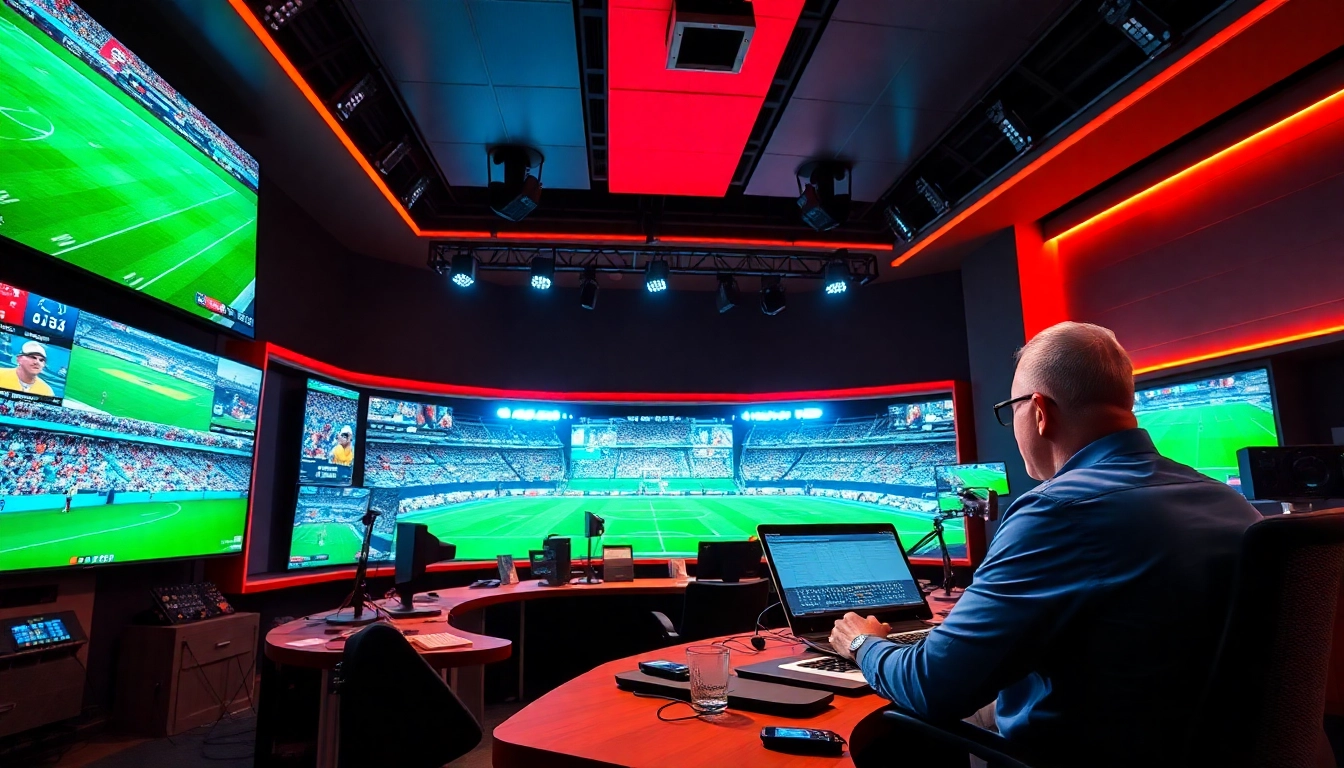
Understanding Sports Broadcasting
What is Sports Broadcasting?
Sports broadcasting is the transmission of sports events through various media platforms, enabling fans to watch live games, access highlights, and catch expert analyses. Traditionally, this was limited to television and radio broadcasts, but with the advent of the internet, it now encompasses streaming services, mobile applications, and social media platforms. As a growing field within telecommunications, sports broadcasting plays a pivotal role in connecting fans with their favorite teams and athletes. Sports Broadcasting is evolving in a digital landscape where instant access and interaction are paramount.
History and Evolution of Sports Broadcasting
The origins of sports broadcasting date back to the early 20th century, beginning with radio broadcasts of baseball games. Over the decades, the introduction of television transformed how audiences consumed sports. The first televised sporting event occurred in the 1930s, and by the 1950s, broadcasts of events like the NFL and World Series became staples in American households. With each technological leap—from analog to digital broadcasts and the rise of Internet Protocol Television (IPTV)—the industry has continually adapted, integrating advanced graphics, multiple camera angles, and immersive commentary.
Current Trends in Sports Broadcasting
Today’s sports broadcasting landscape is characterized by streaming services overtaking traditional cable models. Platforms like ESPN+, Amazon Prime Video, and DAZN are pioneering a subscription-based model, offering access to a diverse range of sports. Interactive content is also becoming more popular, with viewers engaging through real-time statistics, polls, and social media commentary. Esports and virtual reality broadcasts are emerging frontiers, promising to reshape the viewer experience even further.
Key Components of Sports Broadcasting
Technical Equipment Needed
Successful sports broadcasting requires a range of technical equipment. Cameras, microphones, and audio-visual mixing consoles are essential for capturing and transmitting high-quality content. High-definition cameras equipped with advanced stabilization technology ensure clear, smooth footage, while multi-channel audio setups cater to immersive soundscapes. With the rise of mobile broadcasting, portable equipment like compact cameras and wireless microphones are increasingly vital for capturing action from unique angles and ensuring flexibility in coverage.
Understanding Broadcast Rights
Broadcast rights define how sports content is distributed and who is allowed to air certain events. These rights are often the result of complex negotiations between leagues, teams, and broadcasters, and they can vary widely depending on the sport, region, and platform. The value of these rights has escalated dramatically, particularly in major leagues like the NFL and EPL, where lucrative contracts can reach billions. Understanding these agreements is crucial for ensuring compliant and profitable broadcasting.
Role of Broadcasting Networks
Broadcasting networks serve as intermediaries, acquiring rights and distributing the content to audiences. They invest heavily in production quality, employing teams of producers, directors, and announcers to create engaging content. Moreover, networks often offer exclusive commentary, post-game analysis, and engaging storytelling that enhances the viewer's experience. The networks also play a vital role in shaping broadcast strategies, utilizing viewer feedback and analytics to improve future broadcasts.
Creating Engaging Content
Telling Compelling Stories
To capture viewer attention, sports broadcasters must not only present the facts but also tell compelling stories. Whether through highlighting individual player arcs, team rivalries, or historical significance, storytelling adds emotional depth to broadcasts. Techniques including player interviews, behind-the-scenes footage, and expert commentary enrich the narrative, helping viewers form connections with the events unfolding on their screens.
Integrating Social Media in Sports Broadcasting
Social media integration has become a game-changer in sports broadcasting. Platforms like Twitter, Instagram, and TikTok allow broadcasters to interact with fans in real-time, offering reactions, polls, and live updates. Consequently, integrating social media strategies into broadcasting plans not only enhances viewer engagement but also creates additional touchpoints for discussions surrounding games, boosting community involvement and fan loyalty.
Highlighting Viewer Interaction
Creating avenues for viewer interaction is vital in today’s broadcasting landscape. Techniques such as live Q&A sessions, viewer polls during games, and interactive graphics enrich the viewing experience. These strategies empower viewers to contribute their thoughts and feelings, fostering a sense of belonging and encouraging audience retention. Additionally, broadcasters can leverage viewer feedback to iterate on their content, improving future broadcasts based on audience preferences.
Challenges in Sports Broadcasting
Dealing with Rights Issues
Rights management poses significant challenges in sports broadcasting. As the marketplace becomes increasingly competitive, broadcasters must navigate complex licensing agreements while ensuring they comply with copyright laws. Moreover, managing regional blackouts, which restrict access based on geographical location, can frustrate viewers, leading to potential backlash. Transparent communication about rights issues with audiences is key to maintaining trust and satisfaction.
Technical Difficulties and How to Overcome Them
Technical glitches can severely impact the viewing experience. Network outages, video stream interruptions, and audio feed problems can lead to viewer dissatisfaction. Preparing for these challenges involves investing in redundancy systems, conducting regular equipment checks, and training staff to handle unexpected issues swiftly and effectively. This proactive approach can ensure minimal disruption during live broadcasts.
Maintaining Viewership in a Competitive Market
With numerous options available, retaining viewer interest can be challenging. Broadcasters must continually innovate, providing unique content that stands out in a saturated market. By diversifying coverage, exploring niche sports, and enhancing viewer interactions, broadcasters can create value that encourages loyalty. Gathering, analyzing, and acting on viewer data can also guide strategic decisions, ensuring broadcasts remain fresh and engaging.
Measuring Success in Sports Broadcasting
Viewership Metrics and Analytics
Measuring viewership success goes beyond simple numbers. Broadcasters utilize a combination of metrics—live audience figures, streaming analytics, and time spent on content—to gauge performance. Advanced analytics can offer insights into viewer demographics, peak viewing times, and engagement levels, which can in turn inform future programming decisions and personalize content for target audiences.
Advertising and Revenue Opportunities
Advertising remains a cornerstone of revenue in sports broadcasting. Broadcasters must find a balance between monetizing their content and maintaining viewer satisfaction. Innovative ad formats, including interactive ads and targeted sponsorships, can enhance the viewer experience while providing value to advertisers. Additionally, partnerships and collaborations can unlock new revenue streams, such as merchandise sales or branded content initiatives.
Impact Assessments and Feedback Mechanisms
Conducting impact assessments is crucial for continuous improvement in sports broadcasting. Feedback from viewers should be systematically gathered through surveys, focus groups, and social media channels. Analyzing this data enables broadcasters to understand viewer preferences and adapt their strategies accordingly. Clear assessment frameworks can also guide broadcasters in measuring the effectiveness of their content and the return on investment of their initiatives.
Frequently Asked Questions
What is the primary role of a sports broadcaster?
The primary role of a sports broadcaster is to deliver live sports events to viewers while providing commentary and insights that enhance the viewing experience.
How has technology changed sports broadcasting?
Technology has transformed sports broadcasting by introducing HD and 4K streaming, augmented reality graphics, and social media integration, improving engagement and accessibility.
What are broadcast rights?
Broadcast rights are legal agreements that define how content can be distributed to viewers, often negotiated between leagues, teams, and broadcasting networks.
How can broadcasters engage with viewers?
Broadcasters can engage with viewers through social media interactions, live polls, and real-time Q&A sessions that create a sense of community and involvement.
What metrics are important in measuring success?
Important metrics include live audience figures, viewer engagement rates, advertising revenue, and audience demographics that inform content strategy.